NORTHERN LIGHTS WINTER, SUNNY WINTER or POLAR SUMMER?
When to visit Svalbard
When is the best time to visit Svalbard? When will there be midnightsun? What are polar nights? When can you see the northern lights? How cold is the weather on Svalbard?
When to visit Svalbard?
Three Seasons.
Infinite adventures
The seasonal changes
Northern Lights Winter
Polar Nights & northern lights winter
In the beginning of the season we will have a beautiful blue sky above Longyearbyen and Hjortfjellet.
From late October to mid-February, Svalbard experiences polar night,
where the sun doesn’t rise above the horizon.
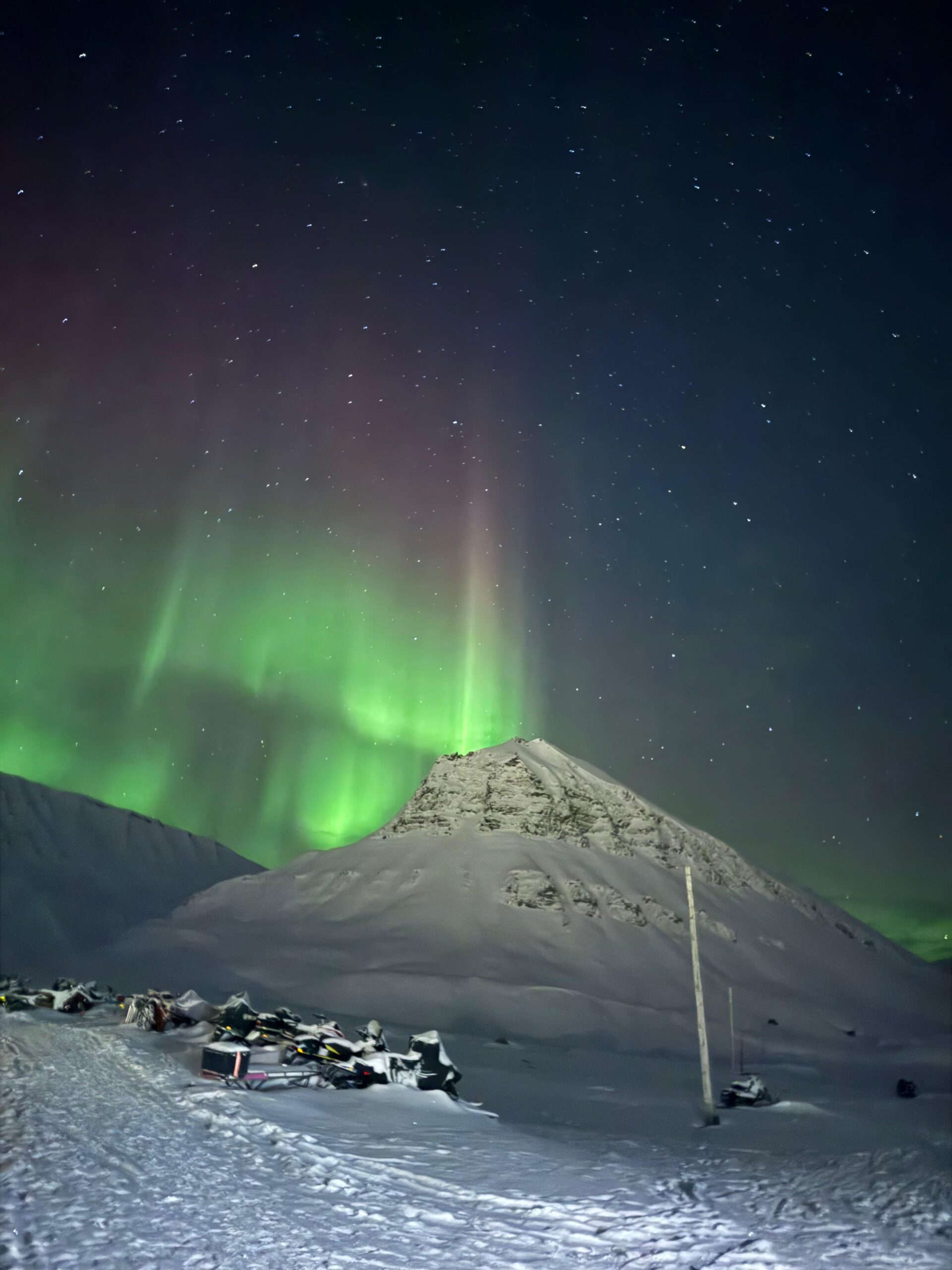
While the landscape remains dark 24/7, the Northern Lights provide a magical spectacle in the night sky, making it an ideal time for those looking to witness this incredible natural phenomenon the aurora borealis.
Perfect time for snow-based activities
In the beginning of the season we will have a mix of rain, snow and ice.
Normally from the end of November the landscape will start to be covered in snow, with glaciers at their most impressive.
The snow will in the beginning be a sprinkel and around Februaryt all snow activities such as ski touring, snowmobile tours, ice cave visits, hiking with snowshoes, dogsledding etc.
The conditions are perfect for snow-based activities, and the wilderness is quiet, offering a serene and isolated atmosphere.
Wildlife
We do not focus much on wildlife during this season as the wildlife is more hidden in the environment. You can spot Svalbard reindeers and occasionally a polar fox or a ptarmigan.
If you wish to experience wildlife we recommend you to visit during the polar summer -especially from May to August.
Sunny winter
Longer days & midnight sun returning
We have the celebration for the return-of-the-sun on the 8th March. This is big celebration for the people living in Longyearbyen.
From mid April to mid-August, the midnight sun takes over.
This means the sun doesn’t set, offering 24 hours of daylight for almost four months.
It’s the perfect time to explore the Arctic landscape, whether through glacier hikes or boat tours.
Best activities is skiing & hiking
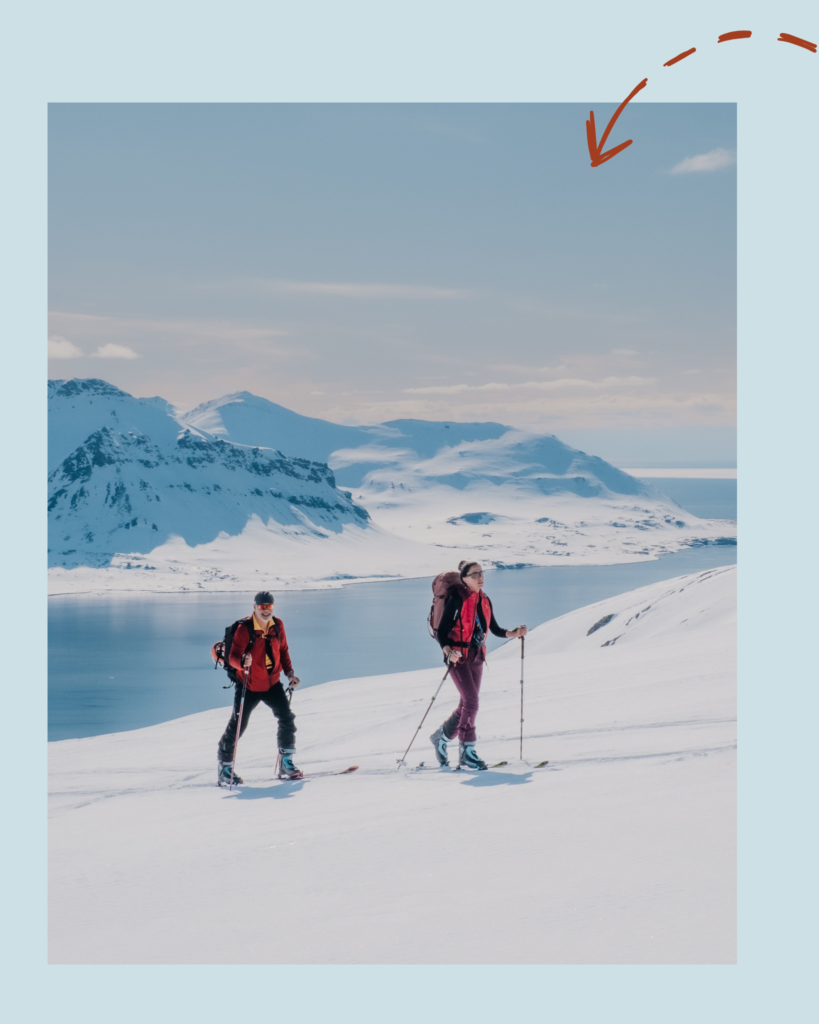
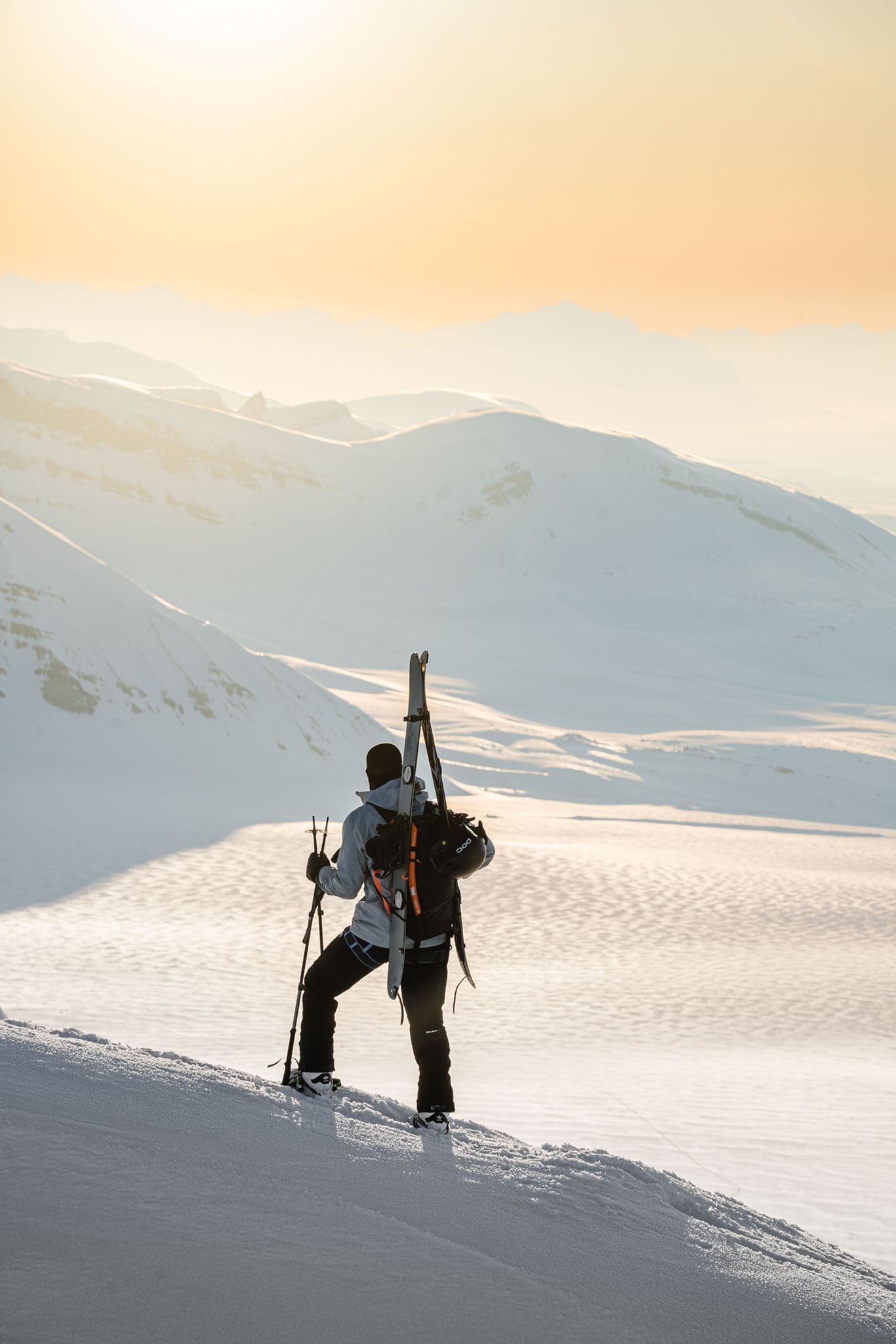
This time of year is perfect for ski touring, ski crossings, ski camps, and from May this will also include sailing and skiing.
The sunny winter is during spring on Svalbard even though we only have snow it is perfect for dogsledding and hiking tours as well.
Wildlife
As this time of year we can see the Svalbard reindeer lookiong for grass under the frozen terrain. At the end of the season the weather begins to warm, snow starts to melt in certain areas, revealing lush, green tundra that will attract migratory birds and Arctic foxes. Svalbard reindeers are often spotted, making it a wonderful time for wildlife enthusiasts.
If you find yourself in Longyearbyen on 17th May, you can join the celebrations for Norway’s Constitution Day.
Polar Summer
The midnight sun
From mid-April to late August, Svalbard is bathed in 24 hours of daylight.
The midnight sun casts an ethereal glow across the landscape, creating an out-of-this-world atmosphere for all outdoor activities. This will give you a change to experience nature anytime of the day.
Summer is the best season for hiking and sailing
With warmer temperatures (ranging from +3°C to +10°C),
summer is the prime time for glacier hikes, hiking tours, and wildlife safaris.
Boat tours are highly popular during this time, offering the opportunity to visit glaciers and explore remote fjords as well as wildlife spotting such as walruses.
Wildlife sightings
At this time of year it will be possible to meet the arctic wildlife. You can spot:
- Seals
- walruses
- Svalbard reindeer
- Polar foxes
- Whales such as Beluga and humpback whales
- Polar bears
- and a variety of bird species
Watch your head if you meet an Arctic Tern as they are known to be very protective of their nests!
A fun fact:
We do not have spiders in Svalbard
The 3 Svalbard seasons
The seasons change faster than anywhere else and we only consider truely having 3 seasons as the autumn is so short that it is gone again with a blink of an eye.
Svalbard’s 3 distinct seasons are defined by the Arctic light and temperature:
- Northern lights winter (October to February)
- Sunny winter (March to mid May)
- Polar summer (Mid-May to September)
Svalbard’s seasons are distinct and dramatic, offering you a different and unique experience depending on when you visit.


The top 5 best activities in Svalbard
Winter season
- Visiting ice caves
- Northern lights hunting
- Hiking with snowshoes
- Polar plunge
- Dogsledding
Sunny winter
- Ski touring
- Ice adventures (ice climbing & visiting ice caves)
- Snowmobile tours
- Glacier hikes
- Expeditions
Summer season
- Hiking
- Ski & Sail
- Visiting The Global Seed Vault
- Polar plunge
- Spending a night in the Arctic wilderness
How do I start planning my trip to Svalbard?

How to do I reach the Arctic Frontier of Svalbard
Traveling to Svalbard is part of the adventure! Located far above the Arctic Circle, this secluded archipelago is surprisingly accessible, with daily flights from important European cities.
Flight to Longyearbyen
Longyearbyen, Svalbard’s largest settlement, serves as the major entrance to the islands. Flights are available year-round with connections from Oslo and Tromsø in Norway. SAS and Norwegian Air provide regular service, making it simple to arrange your trip.
Connection from Oslo or Tromsø
Most overseas passengers will need to fly into Oslo, Norway’s capital. From here you can either take a direct trip to Longyearbyen (3 hours) or have a picturesque layover at Tromsø, the “Gateway to the Arctic” (4+ hours).
What you need to know before booking your ticket to Svalbard:
- Entry Requirements: Svalbard is a visa-free zone for most nations, although you may require a visa to enter mainland Norway. Contact you embassy for information.
- Packing Tips: Be prepared for Arctic conditions! Layers of wool, durable footwear, and waterproof clothing are needed.
- Seasonal Travel: Flight schedules may change depending on the season, so check around 6 months before to assure availability.
Are you looking for the perfect Svalbard experience?
We can offer you a tailor-made plan for you and your group. There are so many options to choose from, but we want to find the best option together with you!
We know Svalbard best, and when you come with your wishes, we know exactly where to take you


About Svalbard
– The Arctic Wilderness
Svalbard, a remote archipelago located in the Arctic Ocean, is one of the most unique and pristine regions in the world. Part of Norway, it sits halfway between mainland Norway and the North Pole, offering travelers the opportunity to explore a land where glaciers, snow-covered peaks, polar wildlife, and vast tundra dominate the landscape.
Longyearbyen is the northernmost town with a permanent population in the world, making it the perfect base for exploring the stunning wilderness that surrounds it. The archipelago is a haven for those seeking a remote and authentic Arctic experience, with polar bears, reindeer, and seals calling this land their home.
Unique Arctic Conditions
Svalbard is defined by extreme conditions that offer both challenges and incredible rewards. With its harsh climate, windy conditions, and limited daylight, the region requires preparation and respect for the environment. It’s an unforgiving but incredibly beautiful land where the raw force of nature is on full display, making it a dream destination for adventurers and nature lovers alike.
Whether you’re planning to ski, hike, or simply take in the breathtaking views, it’s important to pack appropriately for the changing weather conditions. Always be prepared for cold temperatures, sudden shifts in weather, and limited access to facilities in remote areas

Plan Your Arctic Adventure with Backyard Svalbard
At Backyard Svalbard, we offer a wide range of tours to suit every level of adventure and curiosity. Whether you’re visiting during the midnight sun in summer or experiencing the tranquility of the polar night in winter, we ensure that your time in Svalbard will be safe, comfortable, and unforgettable. Our expert guides will provide you with all the support you need to explore the wonders of the Arctic and make lasting memories.
People who love our place
Trusted by Arctic Explorers & Adventure Brands